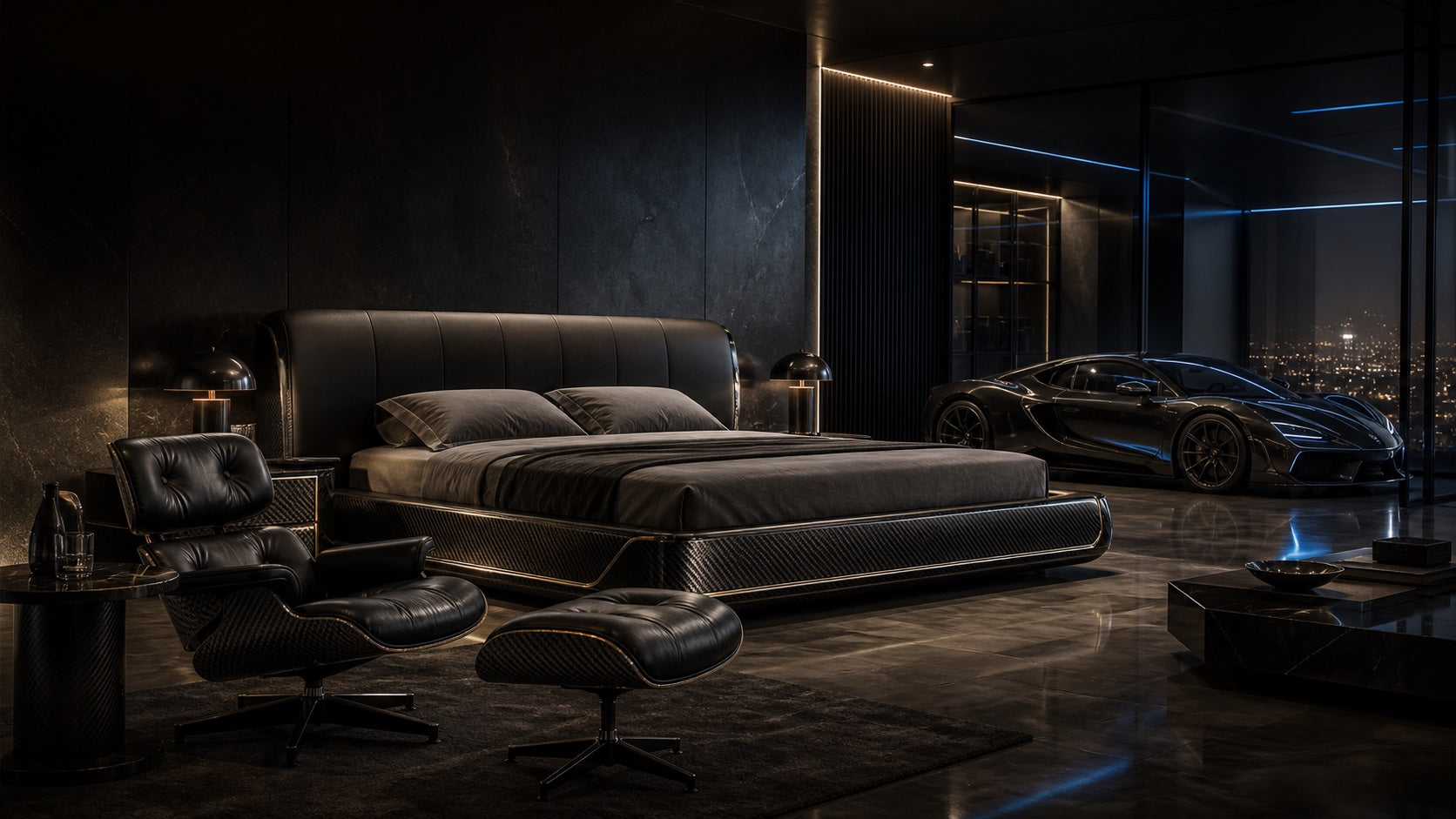
A luxury bed is more than a large piece of furniture. It is the visual anchor of a bedroom, a daily comfort system, and often one of the most technically demanding items in a residential or hospitality interior. For designers, developers, distributors, and private-label brands, choosing the right custom luxury bed manufacturer can determine whether a concept becomes a refined, repeatable product or an expensive compromise.
The strongest manufacturing partner does not simply quote a drawing. It helps translate proportion, materials, comfort, structure, finishing, packaging, and installation requirements into a product that can be made consistently. This guide explains the capabilities buyers should evaluate before beginning a bespoke bed project.
1. Start With the Manufacturer's Real Customization Scope
The word “custom” can mean very different things. Some suppliers offer only fabric and color changes. A capable bespoke bed factory should be able to discuss a wider range of variables, including overall dimensions, headboard height, upholstery construction, wood species, foam density, storage structure, integrated lighting, hardware, stitching, metal finishes, and installation conditions.
Before requesting a quotation, prepare a concise project brief with:
- Target dimensions and mattress specification
- Reference images or technical drawings
- Preferred upholstery and finish direction
- Required functions, such as storage or lighting
- Destination market and installation environment
- Estimated quantity and delivery schedule
This information allows the factory to identify technical risks early and recommend practical alternatives without losing the design intent.
2. Evaluate Materials Beyond Their Appearance
Luxury furniture depends on what cannot always be seen in a photograph. Timber selection, panel stability, frame joinery, foam construction, upholstery tension, hardware, and finishing systems all influence long-term performance.
Since its establishment in 2008, Aolante has spent more than a decade developing technologies for furniture production. The company selects high-quality imported wood and has introduced advanced equipment from overseas to support controlled processing and repeatable manufacturing. These capabilities matter when a design includes complex curves, upholstered panels, precise seams, or mixed-material details.
For each important material, ask the manufacturer to explain its specification and intended use. A beautiful veneer may be unsuitable for a high-contact edge. A soft foam may feel comfortable in a sample but lose its shape in a heavily used hotel room. Material decisions should balance appearance, touch, durability, maintenance, and cost.
Explore examples in the Signature Beds collection to see how upholstered forms, tailored details, and structured frames can create distinct design identities.
3. Ask How Design Becomes a Prototype
A reliable custom luxury bed manufacturer should have a clear path from concept to production. That process may include drawing review, material sampling, structural development, prototype making, finish confirmation, and pre-production approval.
For visually sensitive projects, request approval samples for the details that carry the design language: piping size, seam alignment, tufting depth, metal color, wood tone, leather grain, or lighting temperature. It is much easier to correct these decisions before full production than after goods are packed.
The prototype stage should also test practical issues. Can the bed move through the intended doorway? Can it be assembled efficiently on site? Are electrical components accessible for maintenance? Is the packaging suitable for long-distance shipping? Good engineering protects both the product and the installation experience.
4. Review Quality Systems and Responsible Sourcing
Certificates do not replace product inspection, but they help buyers understand whether a supplier has established management systems and third-party assessments. Relevant documentation may cover quality management, environmental management, occupational health and safety, responsible forestry, or social compliance.
Aolante and Fubang maintain a portfolio of company and factory credentials that includes ISO management system certificates, FSC documentation, and amfori BSCI assessment materials. Buyers should always review the current document, named legal entity, scope, validity period, and applicability to the proposed order. The Certifications page provides a central place to review available credentials.
For larger projects, define inspection standards in writing. These can include approved samples, dimensional tolerances, finish criteria, functional checks, packaging requirements, and an agreed inspection stage before shipment.
5. Match the Factory to the Project Type
A private villa, boutique hotel, serviced apartment, and retail collection do not share the same priorities. Residential customization may focus on personal dimensions, materials, and visual exclusivity. Hospitality projects place greater emphasis on consistency, maintenance, installation coordination, and repeat orders. Private-label programs require stable specifications, packaging, brand presentation, and product documentation.
Discuss the full use case with the factory rather than treating every project as a single product purchase. A manufacturer with experience across bedroom furniture, sculptural seating, and complementary furniture can help maintain a coherent material language across a room or collection. Aolante's Carbon Lounge collection and Pet Atelier collection illustrate how related categories can extend a premium interior concept.
6. Clarify Commercial and Delivery Details Early
The most refined product can still fail if commercial details remain unclear. Before approving production, confirm:
- Sample and production lead times
- Minimum order quantities by model or material
- Payment and approval milestones
- Packaging method and carton dimensions
- Shipping responsibilities and trade terms
- Replacement-part and after-sales procedures
- Installation instructions or on-site support requirements
If a project will be delivered in phases, ask how the factory controls color and material consistency between batches. Natural wood, leather, fabric, and plated finishes can vary, so retained samples and documented specifications are valuable.
7. Look for a Collaborative Manufacturing Mindset
The best factory relationship is built on clear communication. A strong partner identifies conflicts, explains trade-offs, records approvals, and responds with solutions. It should be comfortable working with designers, procurement teams, contractors, and brand owners while keeping the final user experience in view.
Aolante supports custom furniture development for villas, hotels, private residences, and branded programs. Learn more about the company's background, equipment, material approach, and customization focus on the About Us page.
Begin With a Focused Custom Brief
Choosing a custom luxury bed manufacturer should be a structured evaluation, not a decision based on one image or the lowest quotation. Review the factory's customization depth, material knowledge, prototype process, quality documentation, category experience, and delivery planning. When these capabilities align, the manufacturer can become a long-term development partner rather than a one-time supplier.
To discuss dimensions, finishes, functions, quantities, or project requirements, contact the Aolante team with your initial brief.
Frequently Asked Questions
What information is needed for a custom luxury bed quotation?
Provide dimensions, reference images or drawings, preferred materials, functional requirements, estimated quantity, destination, and target schedule. More complete information leads to a more accurate technical review and quotation.
Can a factory customize only one part of an existing bed design?
Often, yes. Depending on the model, customization may include size, fabric, leather, wood finish, headboard details, hardware, storage, or lighting. Structural changes require additional engineering review.
Why is a prototype important for bespoke furniture?
A prototype allows the buyer and manufacturer to verify proportion, comfort, construction, finish, assembly, and packaging before production. It reduces uncertainty around details that drawings alone cannot fully communicate.
Which certifications should a furniture buyer review?
The relevant documents depend on the market and project. Buyers may review quality, environmental, occupational health and safety, responsible forestry, and social compliance documentation, while checking the named entity, scope, and validity.
Does Aolante support hotel and private-label furniture projects?
Aolante's custom manufacturing focus includes furniture for villas, hotels, private residences, and branded programs. Final scope, quantities, specifications, and delivery requirements should be confirmed during project review.