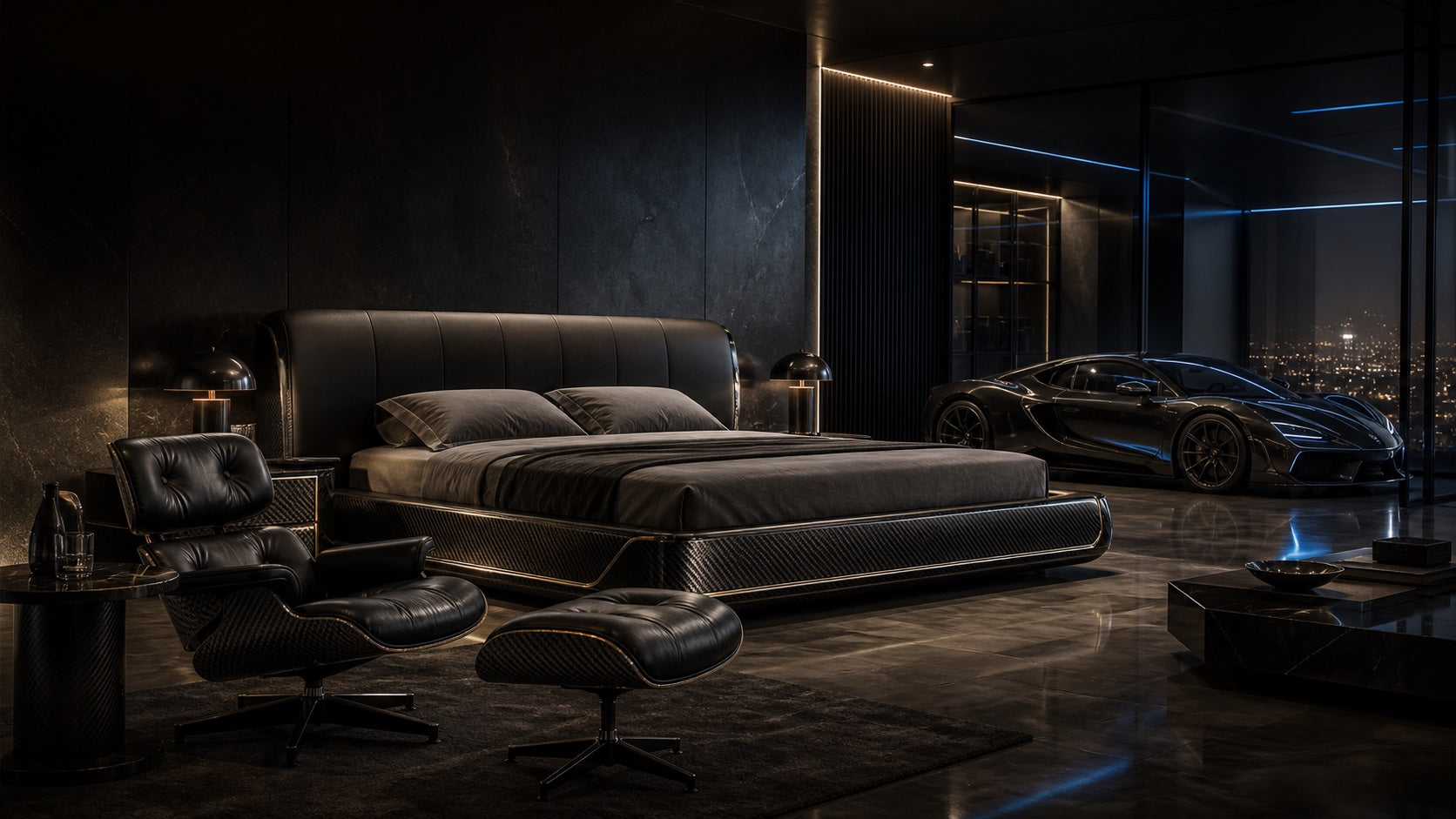
A luxury furniture prototype is where a drawing becomes a physical object that can be measured, touched, assembled, and judged in real conditions. For a custom bed, sculptural lounge chair, or pet-focused piece, it is often the most important quality checkpoint before full production.
The right prototype answers questions a rendering cannot. Does the proportion feel right in the room? Is the structure stable? Are the seams clean? Can the item be installed without friction? For projects where design, durability, and delivery all matter, the prototype is where risk gets reduced.
Since 2008, Aolante / Fubang Living has developed custom furniture with more than ten years of technical R&D, high-quality imported wood, and advanced equipment sourced from overseas. You can learn more on the About Us page and review current company documents on the Certifications page.
Why Prototype Approval Matters
In premium furniture, a small mismatch can become expensive. A headboard may feel too heavy in a room, a lounge chair may be awkward to sit in, and a pet piece may be attractive yet difficult to clean. Prototype approval helps the team identify these issues before a full run is committed.
For buyers, designers, and project teams, the prototype is useful because it can:
- Confirm scale and proportion in physical space
- Test comfort, structure, and stability
- Verify stitching, finishing, and hardware details
- Reveal installation or packaging issues early
- Reduce rework, delays, and avoidable cost
That matters in hotel, villa, and private residential projects where delivery windows are tight and consistency matters across multiple rooms or phases.
What a Good Prototype Should Prove
1. The design reads correctly in real life
A prototype should show whether the piece still feels refined when it moves from screen to room. Luxury furniture depends on balance: height, depth, thickness, curve, and visual weight all need to work together. This is true for Signature Beds and for seating pieces in the Carbon Lounge collection.
2. The structure is buildable and durable
Some concepts look strong but are difficult to manufacture repeatedly. A serious prototype shows whether the frame, joints, panels, and load-bearing points are practical for production. Imported wood, controlled processing, and overseas advanced equipment can help a factory handle precise construction more consistently.
3. The finish quality is consistent
Luxury buyers notice surfaces immediately. Wood tone, grain direction, coating, metal color, and fabric tension should all be checked against the intended standard.
4. The product works for the destination market
A prototype should also reflect how the furniture will actually be used. A bed for a villa may need different installation logic than a bed for a hotel room. A pet piece may need easier cleaning access than a decorative side chair. The Pet Atelier collection is a useful reference.
How to Review a Prototype Properly
Prototype review should be structured. Instead of looking only at appearance, the team should inspect the piece in the context of the project brief.
Check dimensions first
Confirm that the prototype matches the approved drawings. Measure overall width, depth, height, seat depth, mattress support position, and critical clearances.
Test comfort and usability
For beds and seating, comfort is part of the specification, not a subjective bonus. Sit or lie down long enough to notice pressure points, support issues, or awkward geometry.
Inspect craftsmanship closely
Look at seam alignment, edge treatment, stitching density, corner transitions, and hardware fit. If the item includes upholstery, check fabric behavior, surface tension, and how the material handles curves.
Review assembly and installation
Even a beautiful prototype can fail if it is too difficult to install. Check how many parts are involved, whether the sequence is intuitive, and whether the product can be moved through doors, elevators, or stairwells.
Prototype Review Should Reflect the Whole Project
A prototype is most valuable when it is considered in the context of the entire furniture program, not as a one-off sample.
For hotel projects
Hotels need repeatability. The prototype should prove that the design can be reproduced across multiple rooms with consistent finish and dimensional control.
For villas and private homes
Residential projects often need more personalization. The prototype should confirm that the piece fits the architecture, the lifestyle, and the owner’s taste.
For coordinated collections
Many projects combine multiple categories at once. A room may include a tailored bed, a sculptural chair, and a companion piece for a pet. Start with the Signature Beds collection, the Carbon Lounge collection, and the Pet Atelier collection.
How Factory Capability Affects the Prototype
The quality of a prototype usually reflects the quality of the factory behind it. If a supplier has limited R&D, a prototype may look acceptable but miss deeper production issues. If the factory has strong technical development, the prototype becomes a useful engineering tool.
At Aolante / Fubang Living, the manufacturing approach combines more than ten years of technical R&D with high-quality imported wood and advanced equipment from overseas. A credible factory should be able to explain how it moves from drawings to sample and how it keeps the approved prototype aligned with production.
Documentation Still Matters
Prototype approval should not replace due diligence. It should sit alongside the documents that support sourcing decisions. Depending on the order and the legal entity involved, buyers may review ISO management system certifications, FSC-related sourcing documents, and amfori BSCI assessment materials.
The important point is to verify the current document, named entity, scope, and validity period rather than relying on a badge alone. The Certifications page is the right starting point for reviewing available company information.
Common Prototype Mistakes to Avoid
Rushing approval
Approving a prototype too quickly can hide problems that become expensive later. It is better to verify the details once than to correct them after production.
Ignoring packaging and logistics
The prototype should not be judged only as a finished object. If the piece is fragile, oversized, or difficult to assemble, packaging and logistics need to be reviewed at the same time.
Treating appearance as the only metric
Luxury furniture is expected to look good, but it must also perform. Structure, comfort, maintenance, and delivery all belong in the approval process.
Using one sample as proof of everything
One prototype can confirm a direction, but it does not guarantee every future batch will be identical. Batch consistency still depends on process control and production oversight.
FAQ
How many prototype rounds are usually needed?
It depends on the complexity of the item. Simple adjustments may only need one round, while custom beds, sculptural seating, or mixed-material pieces may need more than one review.
Should a prototype match the final product exactly?
It should match the approved direction as closely as possible, but small refinements are common. The purpose of the prototype is to surface issues before full production.
What should designers prioritize during review?
Designers should focus on proportion, material expression, comfort, and whether the piece still communicates the intended mood in a real room.
Why does factory capability matter so much?
Because a prototype is only useful if the factory can repeat it reliably. Strong R&D, better materials, and advanced equipment improve the chance that production will match the approved sample.
Where should buyers start if they are building a full furniture package?
Begin with the anchor pieces that define the room. For many projects, that means the bed, a lounge seat, and one companion item.
Final Takeaway
A luxury furniture prototype should do more than look polished. It should prove that the design is buildable, comfortable, durable, and suitable for the real project environment. When the sample stage is handled seriously, the final product is more likely to meet both creative and commercial expectations.
If you are planning a custom project, start with the About Us page, review the Certifications page, and evaluate the collections that match your brief.